

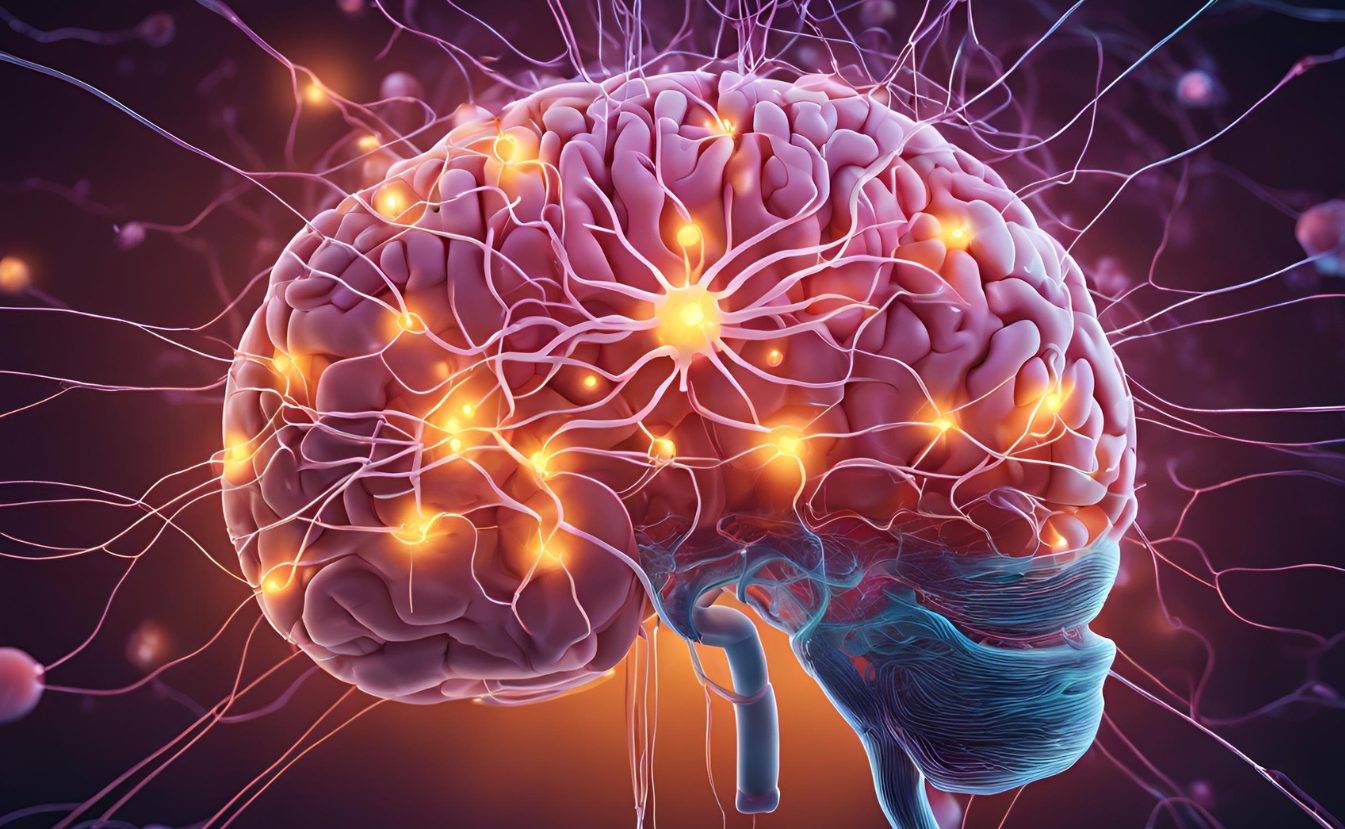
Let’s look at how the bacteria in your gut might be playing a role in shaping your personality—and what that could mean for your mental health.
One of the more exciting revelations in modern science is the discovery of psychobiotics. Psychobiotics are probiotics (live organisms) and prebiotics (food sources) that impact our mental state by interacting with our gut microbiome through the gut-brain axis. Emerging research has shown that specific probiotics can influence mood, stress levels, and even personality traits, reshaping our understanding of how gut health can impact who we are.
Psychobiotics: Gut Health Meets Brain Science
Psychobiotics are probiotics (or prebiotics) that have a direct effect on the brain through the gut-brain axis. Unlike traditional probiotics, which are often marketed for digestion alone, psychobiotics specifically target mental well-being.
Think of psychobiotics as your gut’s way of communicating with your brain—sending signals that can influence how you feel, think, and react.
Research into psychobiotics began gaining momentum in the early 2010s, and the field is now advancing rapidly. Studies are showing promising results, from reduced depression and anxiety to improved emotional resilience. For instance, specific strains like Bifidobacterium longum 1714 has been shown to improve the stress response, reduce cortisol, improve sleep quality and improve memory. Lacticaseibacillus rhamnosus HN001 has been shown to reduce postpartum depression and anxiety.
How Psychobiotics Work
A brain-gut communication network brings together several key systems including the immune system, hypothalamic–pituitary–adrenal (HPA) axis, the enteric nervous system and main routes of communication including the vagus nerve.
While the exact nature of the pathway or pathways that underlie this signalling remain to be fully determined, there is evidence that psychobiotics act by:
- Influencing Neurotransmitter Production
Psychobiotics can stimulate the production of serotonin, dopamine, and GABA—all crucial for regulating mood and stress levels. Serotonin, for example, is often dubbed the “happy hormone,” and up to 90% of it is produced in the gut. - Reducing Inflammation
Psychobiotics have been shown to reduce pro-inflammatory products in the gut. Chronic inflammation in the gut has been linked to mental health issues like anxiety and depression. Psychobiotics help reduce this inflammation, which may positively affect brain function. - Cortisol Regulation
Elevated cortisol levels (your stress hormone) can make you feel anxious or irritable. Psychobiotics have been shown to modulate cortisol production, supporting a calmer, more balanced state.
Experts suggest that “when your gut is balanced, your brain can focus on thriving—not just surviving.”
You can read more about the research here
What is the relationship between your gut bacteria and personality traits?
A study released in 2020 revealed that differences in gut microbiome composition and diversity are shown to be linked to personality traits in the general population. Findings included those with larger social networks tend to have a more diverse microbiome, suggesting that social interactions may shape the microbial community of the human gut. In contrast, anxiety and stress are linked to reduced diversity and an altered microbiome composition. The results of this study add a new dimension to our understanding of personality and are in line with accumulating evidence that the gut microbiome can influence the nervous system in humans, with effects on behaviour.
You can read the study here
What’s Next for Psychobiotics?
While the science is still emerging, psychobiotics hold incredible promise for non-invasive, natural support for mental health. Ongoing research is working to pinpoint the most effective strains and their specific impacts on mental health and human personality traits.
In the meantime, incorporating gut-friendly foods into your routine can help set the stage for a healthier microbiome. Adding fermented foods, increasing dietary fibre including rich sources of prebiotic fibres, and considering a high-quality probiotic supplement is a great place to start.
Your gut isn’t just a digestive organ—it’s a control centre for your mind and mood.
Final Thoughts
The idea that your gut bacteria might influence your personality is both exciting and empowering. While psychobiotics are still being studied, there’s no denying the profound connection between your gut health and how you feel, think, and act.
Have you experienced a shift in your mood or personality after changing your diet? Or tried a probiotic that seemed to improve how you felt? These are the kinds of stories that make gut health so fascinating. After all, when it comes to the gut, we’re all still learning—and that’s what makes this journey so exciting.


