
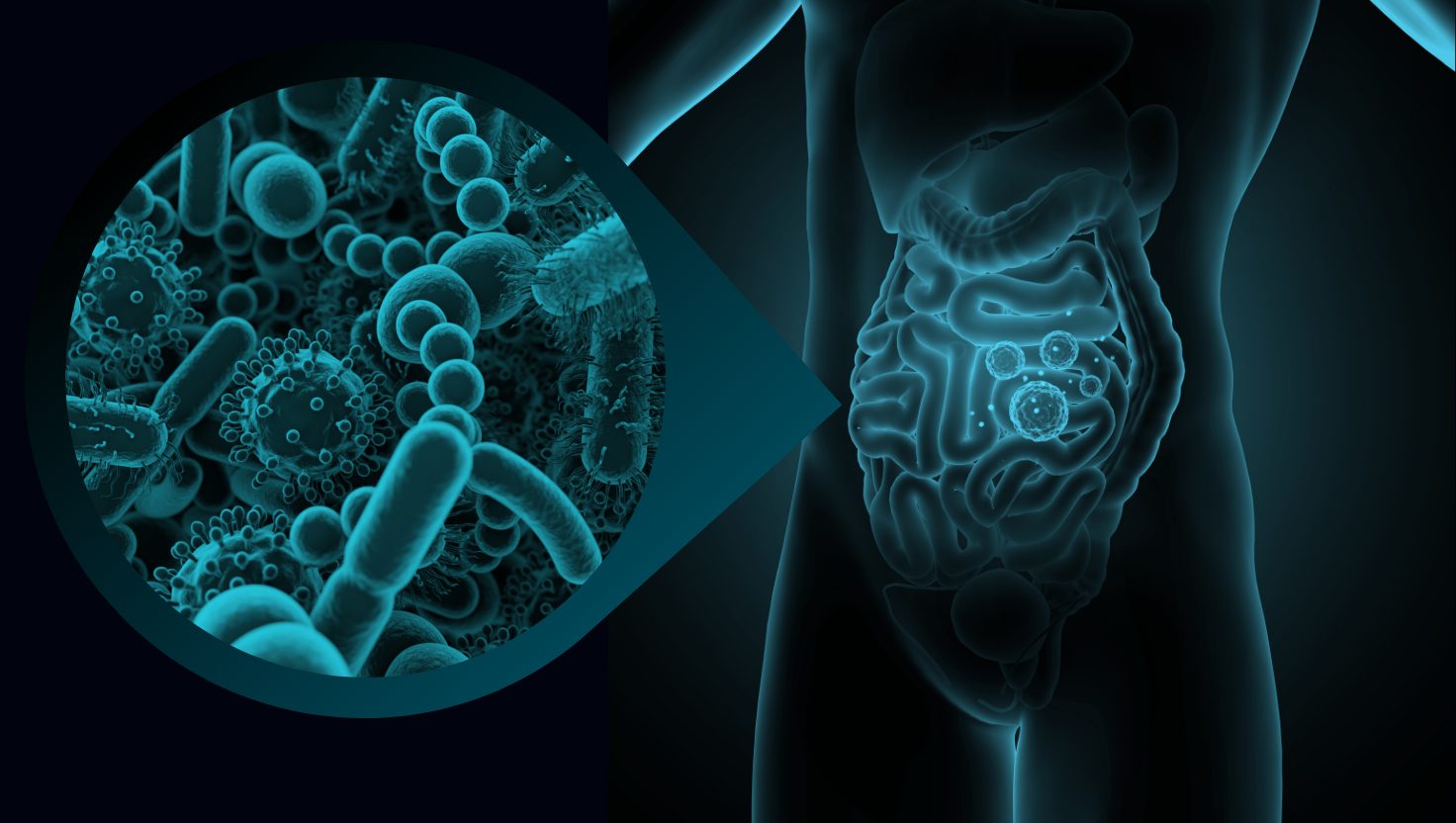
Small Intestinal Bacterial Overgrowth (SIBO) is frustrating enough the first time around—but for many, it’s not just a one-time problem.
Relapse rates for SIBO are notoriously high, with research suggesting that up to 44% of patients experience recurrence within 9 months of treatment. If you’ve felt stuck in an endless cycle of treatment, temporary relief, and relapse, you’re not alone. The good news? Understanding why SIBO keeps coming back is the first step to stopping it for good.
Why Does SIBO Keep Coming Back?
SIBO is not just about an overgrowth of bacteria in the small intestine—it’s about why that overgrowth happened in the first place. If the underlying cause isn’t addressed, it’s only a matter of time before bacteria make their way back into the small intestine, leading to a relapse. Here are some of the biggest factors behind the SIBO recurrence cycle:
1. Impaired small bowel motility
The Migrating Motor Complex (MMC) is the small intestine’s natural cleansing wave, responsible for sweeping bacteria out of the small intestine and into the colon between meals. When this function is impaired, bacteria have more opportunity to accumulate in the small bowel.
Factors that can impair the MMC
- Conditions like hypothyroidism, diabetes and scleroderma
- Post-infectious IBS from food poisoning where there is permanent damage to the MMC from Campylobacter jejuni infection
- Stress can lead to vagus nerve dysfunction which can impair motility
- Chronic use of medications that slow gut motility, such as opioids
2. A Dysfunctional Ileocecal Valve
The ileocecal valve acts as a gate between the small intestine and colon, preventing backflow of bacteria. When this valve is dysfunctional, bacteria can easily migrate back into the small intestine.
Causes of dysfunction:
- Structural issues, like adhesions from abdominal surgery or endometriosis.
- Nerve damage, particularly after food poisoning or gut infections.
- Chronic constipation, which increases pressure on the valve
3. Low stomach acid
Low stomach acid, or hypochlorhydria, can contribute to the development of Small Intestinal Bacterial Overgrowth (SIBO) through disruptions to several key processes that normally protect against bacterial overgrowth, including:
- Sterilization of ingested food
- Proper digestion of nutrients
- Regulation of bile release
- Normal gut motility
Medications that suppress stomach acid such as PPIs have also been associated with SIBO in numerous studies.
4. Pancreatic Insufficiency
Pancreatic insufficiency refers to a condition where the pancreas does not produce enough digestive enzymes. These enzymes are crucial for breaking down food in the small intestine, especially fats, proteins, and carbohydrates. When there is a lack of pancreatic enzymes:
- Impaired digestion: Food isn’t properly digested in the small intestine, leading to malabsorption and the accumulation of undigested nutrients in the small intestine. These undigested nutrients can act as food for bacteria, providing a favorable environment for their growth.
- Increased bacterial growth: As bacteria feed on the undigested food particles, they multiply excessively
5. Previous cholecystectomy (Gallbladder Removal)
The gallbladder’s primary function is to store bile, which is released into the small intestine to aid in the digestion of fats. After a cholecystectomy:
- Altered bile secretion: Without the gallbladder, bile is continuously released into the small intestine, but in smaller, less regulated amounts. This leads to inefficient fat digestion because bile is less concentrated and less likely to emulsify fats effectively. Bile also acts as a natural antimicrobial, particularly in the small bowel, keeping bacterial numbers down.
- Slowed intestinal motility: A decrease in the amount of bile available may result in slower transit times in the small intestine. This slower motility allows more time for bacteria to proliferate and form an overgrowth in the small intestine.
6. Incomplete treatment
SIBO treatment typically involves antibiotics (like Rifaximin), herbal antimicrobials, or the elemental diet, but if the treatment doesn’t fully eradicate the overgrowth, relapse is almost inevitable.
Why this happens:
- Some bacteria are more resilient and may survive standard treatment.
- Methane-dominant SIBO (which is now classified as Intestinal Methanogen Overgrowth, or IMO) often requires a different treatment approach.
- Biofilms—protective layers formed by bacteria—can make it harder to clear resistant bacteria
7. Poor Gut Microbiome Diversity
A well-balanced gut microbiome keeps harmful bacteria in check, but if gut diversity is low, opportunistic bacteria can take over quickly. Researchers are currently exploring the theory of a shift in the type of bacteria into the small intestine with the thought that less favourable species may be more of the problem than the presence of beneficial or commensal species.
Factors that reduce microbiome diversity:
- Overuse of antibiotics, which kill both good and bad bacteria.
- Low-fibre diets, which don’t provide enough prebiotics to support beneficial gut bacteria.
- Chronic stress, which alters the gut-brain axis and weakens microbiome resilience.
How to Stop the SIBO Relapse Cycle
If SIBO keeps coming back, your treatment plan may need to go beyond just killing bacteria. Here’s how to break the cycle for good:
1. Address Motility with Prokinetics
Prokinetics help stimulate the Migrating Motor Complex (MMC), ensuring bacteria don’t linger in the small intestine.
Options to consider:
- Pharmaceuticals: Low-dose erythromycin, prucalopride
- Herbal prokinetics: Ginger, Iberogast, 5-HTP
- Lifestyle strategies: Fasting (where appropriate) for 12 hours overnight (avoiding late night snacking) and fasting in between meals (4-5 hours)
2. Support the Ileocecal Valve function
Since a faulty ileocecal valve can allow microbial backflow
- Manual abdominal massage to improve valve function
- Manage constipation with diet, lifestyle and aperients (if needed)
3. Support upper gut digestion and stomach acid levels
- Apple cider vinegar (ACV) or lemon water before meals
- Herbal bitters or Betaine HCl supplements
- Eat slowly and chew your food thoroughly
- Digestive enzymes
- Strategies to support vagus nerve function e.g. Diaphragmatic breathing with meals
4. Strengthen the Gut Microbiome
A diverse gut microbiome is essential for preventing relapse. Supporting bacterial balance post-treatment can make all the difference.
- Eat polyphenol-rich foods (berries, green tea, dark chocolate) to feed beneficial bacteria.
- Include prebiotic fibres in the diet including foods high in FOS, GOS, inulin and resistant starch (Note: It is important to have eradicated SIBO before introducing these foods as active SIBO can drive increased symptoms when eating these foods)
- Include soluble fibre sources like oats, chia seeds, and cooked vegetables.
- Rotate probiotics and focus on spore-based strains, which don’t exacerbate SIBO symptoms.
5. Identify & Address Root Causes
If SIBO relapse keeps happening, a deeper investigation might be needed.
- Test for underlying conditions, like hypothyroidism, Ehlers-Danlos syndrome, or connective tissue disorders.
- Consider Gut Microbiome testing to assess gut diversity and gut terrain.
- Work on stress management—the gut-brain axis plays a major role in motility and microbiome balance.
Final Thoughts
If recurring SIBO is an issue then it’s time to investigate the underlying cause. A comprehensive, long-term plan that supports gut motility, improves upper gut digestive function and focuses on microbiome restoration is key to breaking the cycle.


